
social responsiveness
When to escalate concerns about a child's social responsiveness
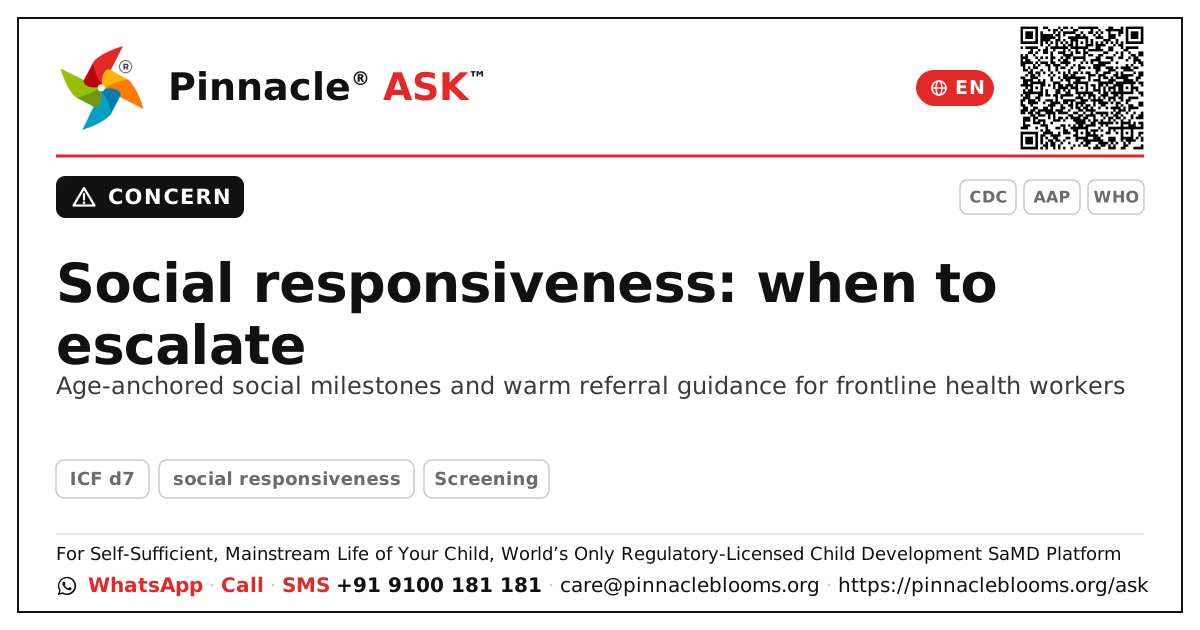
Frontline health workers should escalate a child for a developmental check when social milestones are consistently missed for age — no social smile by 2 months, little eye contact or shared joy by 6 months, no response to name or pointing by 12 months, limited shared play by 18–24 months — or when any social skill is lost, or a parent's concern persists. This is early routing, not a diagnosis, and early support works best.
Every ASHA visit is a chance to notice how a baby lights up at a familiar face — and that small spark is precious developmental information.
In short
Social responsiveness means a baby or child turning towards faces, sharing smiles, responding to their name and joining in back-and-forth play. As a frontline health worker, escalate for a developmental check when a child consistently misses these social milestones for their age, when a parent reports a child has lost a social skill once present, or when a parent's own worry persists. This is not a diagnosis — it is early routing, and early support works best.What to watch and when to escalate
Use these age-anchored social flags during routine home and PHC visits. Escalate if any are clearly and consistently present:- By 2 months — no social smile, no settling or brightening to a familiar voice or face.
- By 6 months — little eye contact, few warm smiles, no shared joy or laughter with a caregiver.
- By 9 months — no babble back-and-forth, no response to facial expressions, little interest in people.
- By 12 months — no response to own name, no waving or pointing to share interest, little to-and-fro gesturing.
- By 18–24 months — no pointing to show things, little pretend or shared play, limited interest in other children.
- Any age — loss of a social skill (smiling, babbling, eye contact) the child once had — escalate promptly.
Also escalate when a parent voices persistent concern, even if your screen looks reassuring. Parent instinct is valuable clinical information. Frame every referral warmly: this is a closer look, not a label.
The Pinnacle way
A clinical AbilityScore® and any diagnosis are formed only at a Pinnacle Blooms Network centre, under qualified clinician care — never from a checklist or an online list. Our clinicians build a full picture of a child's social responsiveness and shape playful support, and our speech therapy team strengthens early social-communication.Trusted sources
WHO ICF framework (domain d7, interpersonal interactions); CDC "Learn the Signs, Act Early" developmental milestones; American Academy of Pediatrics (healthychildren.org) guidance on developmental surveillance and social-emotional monitoring.Next step — Trust what you notice on the visit. Book a developmental assessment so a Pinnacle clinician can give the family a calm, clear review.
What to watch
Escalate if a child misses social milestones for age — no social smile by 2 months, little eye contact or shared joy by 6 months, no response to name or pointing to share by 12 months, limited pretend or shared play by 18–24 months. Escalate promptly for loss of any social skill once present, and whenever a parent's concern persists despite a reassuring screen.
Try this at home
During each visit, watch one simple thing: does the baby turn towards and brighten at a familiar face or voice? Note the child's age and what you saw — that short observation gives the clinician a clear starting picture.
Trusted sources
Developed by SETU Consortium · Pinnacle Blooms Network · Last reviewed 2026-06-10 · reviewed every 540 days
This is general information, not a diagnosis. A clinical AbilityScore® and any diagnosis are formed only at a Pinnacle Blooms Network centre, under qualified clinician care.
Frequently asked
What does social responsiveness mean in a young child?
It is how a child connects with people — turning towards faces, sharing smiles, responding to their name, babbling back-and-forth, pointing to share interest and joining in play. It develops steadily across the first two years.
Should I escalate if my screen looks fine but the parent is worried?
Yes. Persistent parent concern is valuable clinical information and is itself a reason to route the child for a developmental check. Frame it warmly as a closer look, not a label.
Is missing a social milestone a diagnosis of autism?
No. Missing milestones is a reason to assess early, never a diagnosis. A clinical AbilityScore® and any diagnosis are formed only at a Pinnacle Blooms Network centre under qualified clinician care.