
Rett Syndrome
When to worry about Rett Syndrome in a 6-year-old
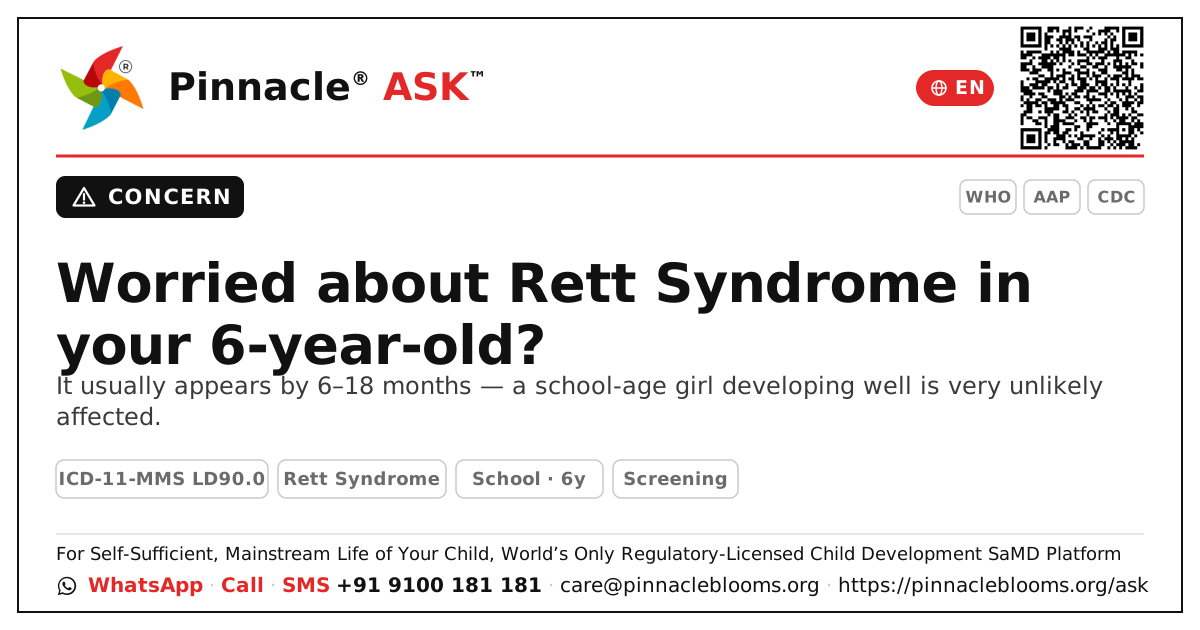
Rett Syndrome almost always appears far earlier than age 6 — usually between 6 and 18 months — with a distinctive loss of purposeful hand use and spoken words after early normal development. A 6-year-old who has developed and kept her speech, hand skills and play is very unlikely to have it. What always deserves a prompt check at any age is loss of skills she once had — not a diagnosis, but a reason for clinical review.
If you're watching your bright, growing 6-year-old and wondering whether Rett Syndrome could be a worry, let's gently look at what this condition actually is — and why, for most school-age girls, the picture is reassuringly clear.
In short
Rett Syndrome is a rare genetic condition that almost always shows itself far earlier than age 6 — typically between 6 and 18 months, after a period of seemingly normal early development, with a distinctive loss of purposeful hand use and spoken words. If your 6-year-old has been developing, speaking, playing and using her hands well all along, Rett Syndrome is very unlikely. What matters at 6 is to look at how she is doing now — and to seek a developmental check for any concern, rather than worrying about one specific rare label.Understanding Rett Syndrome at this age
Rett Syndrome follows a recognisable pattern, and that pattern is the most useful thing to understand. After early months of typical growth, an affected child usually shows, before her second or third year:- Loss of purposeful hand skills — replaced by repetitive hand-wringing, washing or mouthing movements (a hallmark sign).
- Loss of spoken language she had begun to use.
- Slowing head growth noticed on the growth chart in infancy.
- Walking difficulties — unsteady, stiff or on tiptoe.
Because these features emerge early and are quite distinctive, a child who reaches 6 having developed and kept her hand use, speech and play is very unlikely to have classic Rett Syndrome. If your daughter has always developed well, this is genuine reassurance.
What does deserve prompt attention at any age is regression — losing words, hand skills or social engagement she clearly once had. Any loss of established skills, at 6 or earlier, should be reviewed by a clinician without delay, whatever the eventual explanation.
When to seek a check
Arrange a developmental and paediatric review now if you notice: any loss of skills she previously had; unusual repetitive hand movements with reduced purposeful hand use; a marked change in walking or coordination; or simply a strong parental sense that something has shifted. Confirming Rett Syndrome involves genetic testing arranged by a paediatrician — so a clinical review is the right first step, not an online checklist.The Pinnacle way
This is general information, not a diagnosis — a clinical AbilityScore® and any diagnosis are formed only at a Pinnacle Blooms Network centre, under qualified clinician care. Our clinicians build a full developmental baseline, look carefully at any change over time, and route promptly for paediatric and genetic input when the picture warrants it. You can learn more about Rett Syndrome and how, where skills need rebuilding, our occupational therapy team supports hand use, coordination and daily living.Trusted sources
WHO ICD-11 classification of Rett Syndrome; American Academy of Pediatrics (healthychildren.org) guidance on developmental surveillance and regression; CDC developmental milestone and "Learn the Signs, Act Early" resources.Next step — Trust what you've observed. Book a developmental assessment with a Pinnacle clinician so your daughter's development is reviewed with clarity, care and the right next steps.
What to watch
Seek a prompt clinician check for any loss of skills your child once had — spoken words, purposeful hand use, or social engagement; unusual repetitive hand movements (wringing, washing, mouthing) with reduced hand use; a marked change in walking or coordination; or a strong sense that something has shifted.
Try this at home
Keep a short note of when your child first used and kept key skills — words, drawing, dressing, hand use. A clear record makes it easy for a clinician to tell steady growth from any genuine change.
Trusted sources
Developed by SETU Consortium · Pinnacle Blooms Network · Last reviewed 2026-06-10 · reviewed every 365 days
This is general information, not a diagnosis. A clinical AbilityScore® and any diagnosis are formed only at a Pinnacle Blooms Network centre, under qualified clinician care.
Frequently asked
At what age does Rett Syndrome usually first show?
Most often between 6 and 18 months of age, after a period of seemingly normal early development. A distinctive early sign is the loss of purposeful hand use, replaced by repetitive hand movements such as wringing or washing, along with loss of spoken words and slowing head growth.
My 6-year-old has always developed well — could she still have Rett Syndrome?
It is very unlikely. Classic Rett Syndrome emerges early with a recognisable loss of hand skills and speech. A child who has developed and kept her speech, hand use and play through to age 6 does not fit that pattern, which is genuinely reassuring.
What should make me seek a check at this age?
Any loss of skills she clearly once had — words, hand use, or social engagement — deserves a prompt review at any age. Also unusual repetitive hand movements with reduced purposeful use, a marked change in walking, or a strong parental sense that something has shifted.
How is Rett Syndrome confirmed?
Confirmation involves genetic testing arranged by a paediatrician, alongside clinical assessment. An online checklist cannot diagnose it — a clinical review is the right first step if you have concerns.