
Interests
Simple daily activities that build a child's interests
A child's interests grow through safe exploration, a caring adult who notices what excites them, and small playful invitations to go further. Everyday routines — cooking, reading, sensory play, offering choices — build curiosity better than any toy, when you follow your child's lead.
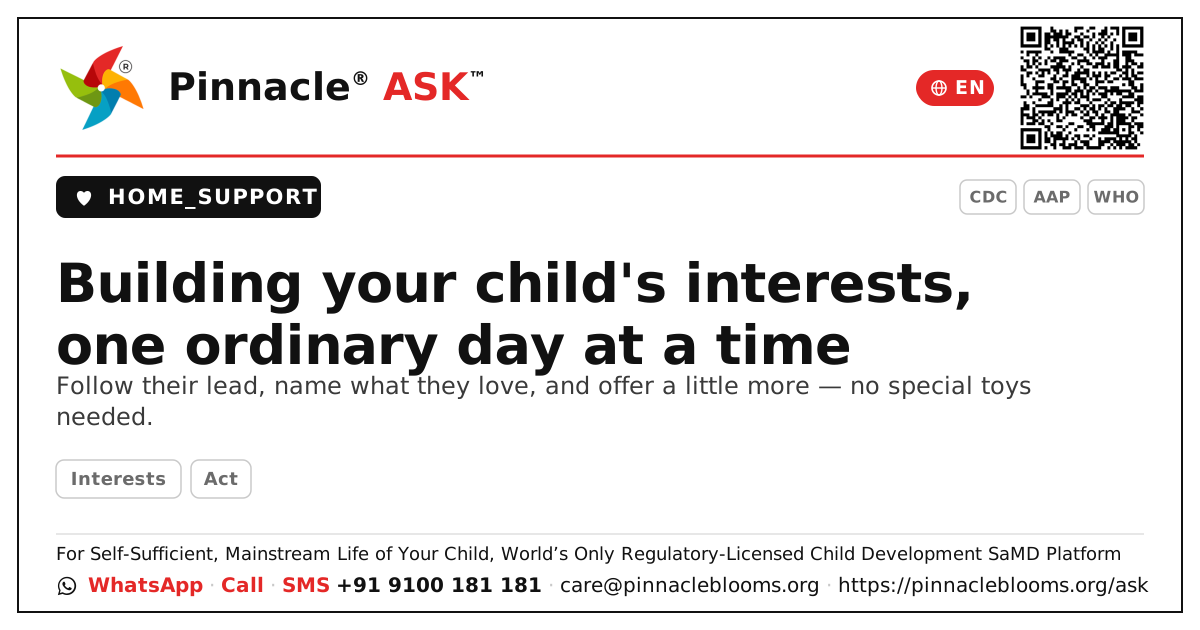
Curiosity isn't something you teach a child — it's something you tend, like a small garden, in the ordinary moments of every day.
In short
A child's interests grow when they are given safe room to explore, a caring adult who notices what lights them up, and gentle invitations to go a little further. You don't need toys, screens or special equipment — your kitchen, your garden and your daily routine are the richest classrooms there are. Follow your child's lead, name what they enjoy, and offer more of it in small, playful ways.Simple daily activities that build interests
- Follow their gaze. Notice what your toddler reaches for, stares at or returns to, and join in. Shared attention is how interests take root.
- Narrate the day. Talk through cooking, washing and shopping — "This onion is crunchy!" Naming the world turns everyday things into things worth noticing.
- Offer choices. "Red cup or blue cup?" Small decisions tell a child their preferences matter, and preferences are the seeds of interests.
- Sensory play. Water, dough, rice in a bowl, leaves in the garden — open-ended materials let curiosity wander without a "right answer".
- Read and re-read. Let them pick the book, even the same one nightly. Repetition is how toddlers deepen a love, not a sign of being stuck.
- Make space for getting bored. Unhurried, unscheduled time is where children discover what they genuinely enjoy.
The science, simply
Interests develop through warm, responsive back-and-forth — what researchers call serve-and-return. When you respond to a child's spark of attention, you strengthen the brain connections behind motivation, focus and joy in learning. Following the child's lead, rather than directing play, is consistently linked with richer engagement and language. Little and often beats long and forced.The Pinnacle way
A clinical AbilityScore® and any diagnosis are formed only at a Pinnacle Blooms Network centre, under the care of a qualified clinician. To understand more about nurturing your child's interests, or to enrich shared play and communication, our play and interaction therapy team can guide you with simple, home-friendly ideas.Trusted sources
Guided by CDC's developmental milestone and play guidance, the American Academy of Pediatrics' Healthy Children resources on play, and the WHO–UNICEF Nurturing Care Framework on responsive caregiving.Next step — message our team on WhatsApp at +91 91001 81181 for a friendly developmental check and personalised home-play ideas.
This is general information, not a diagnosis — a clinical AbilityScore® and any diagnosis are formed only at a Pinnacle Blooms Network centre under qualified clinician care.
What to watch
Watch for the small sparks — what your child reaches for, returns to or watches closely. If your toddler rarely shows interest in people, objects or play across several weeks, mention it at your next developmental check.
Try this at home
Spend ten unhurried minutes a day letting your child lead the play — you simply follow, name what they enjoy, and offer a little more of it. No agenda, no screens.
Trusted sources
Developed by SETU Consortium · Pinnacle Blooms Network · Last reviewed 2026-06-10 · reviewed every 540 days
This is general information, not a diagnosis. A clinical AbilityScore® and any diagnosis are formed only at a Pinnacle Blooms Network centre, under qualified clinician care.
Frequently asked
Do I need special toys to build my child's interests?
Not at all. Your kitchen, garden and daily routine are richer than any toy. Water, dough, rice, books and household chores give a child endless things to explore and enjoy.
My toddler only wants the same book or game — is that a problem?
Repetition is healthy and normal. Toddlers deepen a love through doing something again and again. Keep offering the favourite, and gently add small new twists alongside it.
How much screen time is okay for building interests?
Real, hands-on and people-led play builds interests far better than screens. For young children, keep screens minimal and prioritise unhurried, responsive play time with you.