
Separation Anxiety Disorder
ICD-11 Classification of Separation Anxiety Disorder (6B05)
In ICD-11-MMS, Separation Anxiety Disorder is coded 6B05 within the Anxiety or fear-related disorders block. ICD-11 removed the childhood-onset restriction of ICD-10, applying the diagnosis across the lifespan where excessive, persistent separation-related fear causes significant distress or impairment.
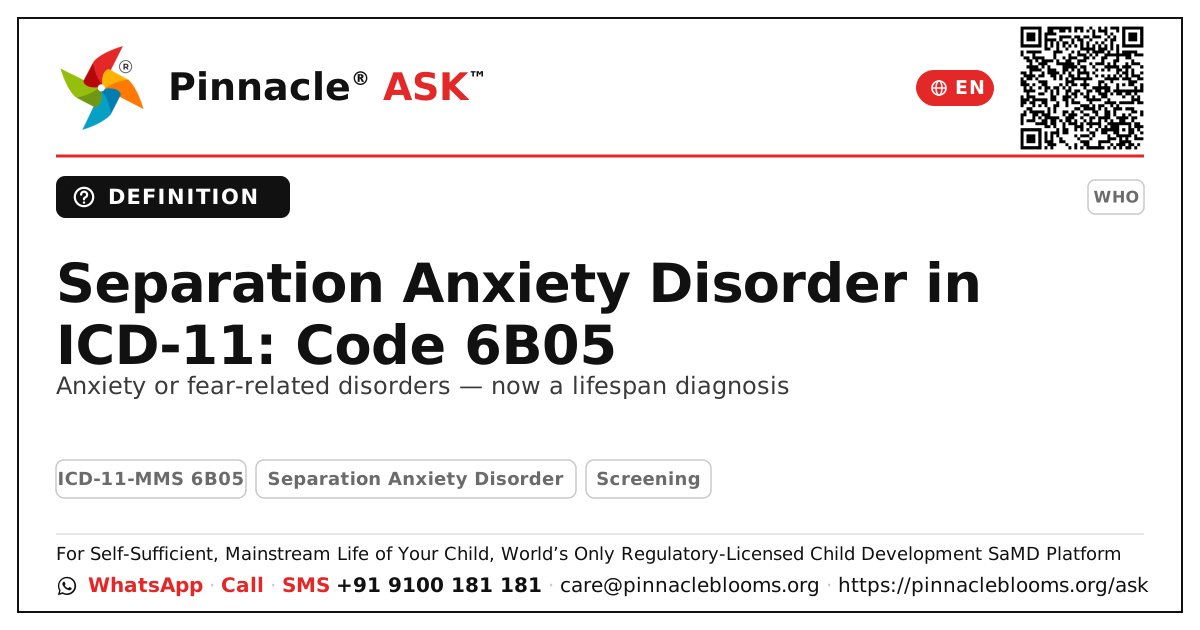
When a clinician needs the precise nosological home for separation anxiety, ICD-11 gives it a clear coordinate.
In short
In the ICD-11 for Mortality and Morbidity Statistics (ICD-11-MMS), Separation Anxiety Disorder is coded 6B05, sitting within the grouping of Anxiety or fear-related disorders (block 6B00–6B0Z) under Mental, behavioural or neurodevelopmental disorders. It is characterised by developmentally excessive fear or anxiety concerning separation from specific attachment figures. Critically, ICD-11 removed the childhood-onset restriction of ICD-10 (F93.0), so the diagnosis applies across the lifespan provided symptoms are disproportionate to developmental level, persistent, and produce significant distress or functional impairment.The classification, precisely
- Code: 6B05
- System: ICD-11-MMS
- Parent block: Anxiety or fear-related disorders
- Superordinate: Mental, behavioural or neurodevelopmental disorders
The defining feature is marked, recurrent fear or anxiety about separation from attachment figures — manifesting as persistent worry about harm befalling them, reluctance to go to school or sleep alone, recurrent nightmares with separation themes, or somatic complaints on anticipated separation. Duration should be sustained (typically several weeks or more) and the response clearly exceeds what is expected for the individual's developmental stage and sociocultural context. ICD-11's lifespan framing is the key shift from ICD-10, where the condition was classified among disorders with onset specific to childhood.
When to refer
Refer for structured assessment when separation-related fear is impairing attendance at school or daily routines, when somatic presentations recur without medical cause, or when the pattern persists despite reassurance and graded reintroduction. Distinguish from age-typical separation distress in toddlers, generalised anxiety, social anxiety, and specific phobia.The Pinnacle way
A clinical AbilityScore® and any diagnosis are formed only at a Pinnacle Blooms Network centre, under qualified clinician care — never from a code lookup or an online form. Coding locates the condition; clinical evaluation establishes it. Explore how we structure developmental and emotional assessment, our behavioural and emotional therapy pathways, and the [wider Pinnacle approach](/).Trusted sources
WHO ICD-11 for Mortality and Morbidity Statistics — Anxiety or fear-related disorders, entity 6B05. WHO conceptual framework on classification of mental and behavioural disorders.Next step — For a child whose separation anxiety is disrupting school or daily life, arrange a clinician-led assessment at a Pinnacle centre.
This is general information, not a diagnosis — a clinical AbilityScore® and any diagnosis are formed only at a Pinnacle Blooms Network centre under qualified clinician care.
What to watch
Persistent, developmentally excessive distress on separation from attachment figures — school refusal, recurrent somatic complaints, separation-themed nightmares, or reluctance to sleep alone lasting weeks and impairing function.
Try this at home
Distinguish age-typical toddler separation distress from a sustained, impairing pattern; brief graded separations with consistent, calm reunions support healthy adjustment.
Trusted sources
Developed by SETU Consortium · Pinnacle Blooms Network · Last reviewed 2026-06-10 · reviewed every 365 days
This is general information, not a diagnosis. A clinical AbilityScore® and any diagnosis are formed only at a Pinnacle Blooms Network centre, under qualified clinician care.
Frequently asked
What is the ICD-11 code for Separation Anxiety Disorder?
It is 6B05 in the ICD-11 for Mortality and Morbidity Statistics (ICD-11-MMS), located within the Anxiety or fear-related disorders block under Mental, behavioural or neurodevelopmental disorders.
How does ICD-11 differ from ICD-10 for this condition?
ICD-10 placed it (F93.0) among disorders with onset specific to childhood. ICD-11 removed that age restriction, so 6B05 applies across the lifespan whenever separation-related fear is developmentally excessive, persistent and impairing.
What defines Separation Anxiety Disorder clinically?
Marked, recurrent fear or anxiety about separation from specific attachment figures — disproportionate to developmental level, sustained, and producing significant distress or functional impairment such as school refusal or recurrent somatic complaints.