
emotional control
What it means if your child isn't yet showing emotional control
Between 3 and 7 years, meltdowns, tears and big reactions are normal — emotional control develops gradually as the brain matures, and most children get steadier each year. Seek a gentle developmental check if outbursts are far more intense, longer or more frequent than peers, harm safety, or get in the way of play, friendships or routines. This is not a diagnosis — it means an early, calm look is wise, because support works best at this age.
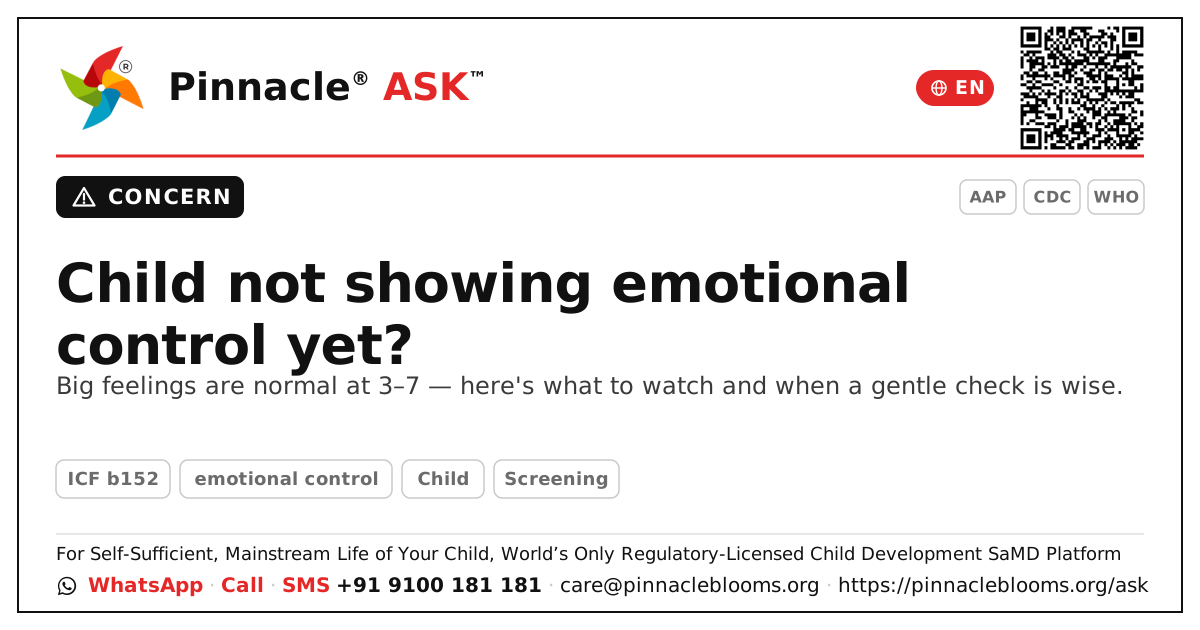
Big feelings in a small body are part of growing up — noticing how your child handles them is thoughtful, loving parenting.
In short
Between 3 and 7 years, children are still learning to manage frustration, disappointment and excitement — meltdowns, tears and big reactions are completely normal at this age. Emotional control (the skill of noticing and steadying feelings) develops gradually as the brain matures, and most children get steadier year by year. It's worth a gentle developmental check if the outbursts are far more intense, longer or more frequent than other children the same age, or if they get in the way of play, friendships or daily routines. This isn't a diagnosis — it simply means a calm, early look is wise, because support works beautifully at this age.What to watch between 3 and 7 years
Most young children need an adult to help them calm down — that co-regulation is healthy and expected. Gentle flags worth a clinician's eye:- Intensity and duration — meltdowns that are very long, very frequent, or hard to soothe even with your help.
- Getting in the way — when big feelings crowd out play, learning or making friends.
- Safety — hitting, biting or hurting themselves or others during distress.
- Travelling with other differences — few words, little eye contact, trouble with transitions, or not bouncing back as peers do.
- Sudden change — a new pattern of distress that wasn't there before.
The aim is not alarm — it's turning small questions into early opportunities.
The science
Emotional control (ICF b152) rests on the slow-maturing brain systems that help a child pause, name a feeling and choose a response. At 3–7 these systems are still under construction, so children rely heavily on adult co-regulation. Predictable routines, naming emotions out loud and modelling calm all build this skill over time.The Pinnacle way
A clinical AbilityScore® and any diagnosis are formed only at a Pinnacle Blooms Network centre, under qualified clinician care — never from an online list. Our clinicians watch how and when big feelings appear, and shape support around play. Learn more about emotional control and how our behaviour therapy team helps children build steadier responses.Trusted sources
WHO ICF framework for emotional functions (b152); American Academy of Pediatrics (healthychildren.org) guidance on tantrums and self-regulation; CDC developmental milestones and "Learn the Signs, Act Early" resources.Next step — Trust what you've noticed. Book a developmental assessment with a Pinnacle clinician for a calm, clear review of your child's emotional skills and milestones.
This is general information, not a diagnosis — a clinical AbilityScore® and any diagnosis are formed only at a Pinnacle Blooms Network centre under qualified clinician care.
What to watch
Seek a check if meltdowns are very long, very frequent or hard to soothe even with help; if big feelings crowd out play, learning or friendships; if your child hurts themselves or others during distress; or if outbursts travel with few words, little eye contact or trouble with transitions. Any sudden new pattern of distress is also worth a gentle review.
Try this at home
Keep a short phone note of when the big feelings happen — tired, hungry, a change of plan, or too much noise? Naming the trigger and how you helped your child settle gives a clinician a clear, useful picture.
Trusted sources
Developed by SETU Consortium · Pinnacle Blooms Network · Last reviewed 2026-06-10 · reviewed every 540 days
This is general information, not a diagnosis. A clinical AbilityScore® and any diagnosis are formed only at a Pinnacle Blooms Network centre, under qualified clinician care.
Frequently asked
Is it normal for my 4-year-old to have big meltdowns?
Yes — at 3 to 7 years children are still learning to steady their feelings, and meltdowns over frustration, tiredness or change are completely typical. They need an adult to help them calm down, and this co-regulation is healthy. Most children get steadier year by year.
When should I seek a developmental check for emotional control?
Consider a gentle check if outbursts are far more intense, longer or more frequent than other children the same age, if they get in the way of play, friendships or routines, if your child hurts themselves or others, or if they travel with delays in talking or social connection.
Will my child grow out of it?
Most children build emotional control naturally as the brain matures and with predictable routines, naming feelings out loud and calm modelling from adults. If progress seems stuck or outbursts disrupt daily life, an early clinician review helps — support is most effective when started young.