
change resistance
What it means if your child isn't showing change resistance
For a child aged 3–7, not showing change resistance is usually a positive sign of emotional flexibility, not a problem. Change resistance only matters clinically when it is intense and rigid, so its absence often reflects healthy adaptability. What's worth watching is overall connection, communication and play — not whether your child resists change. A developmental check offers reassurance if you have any questions.
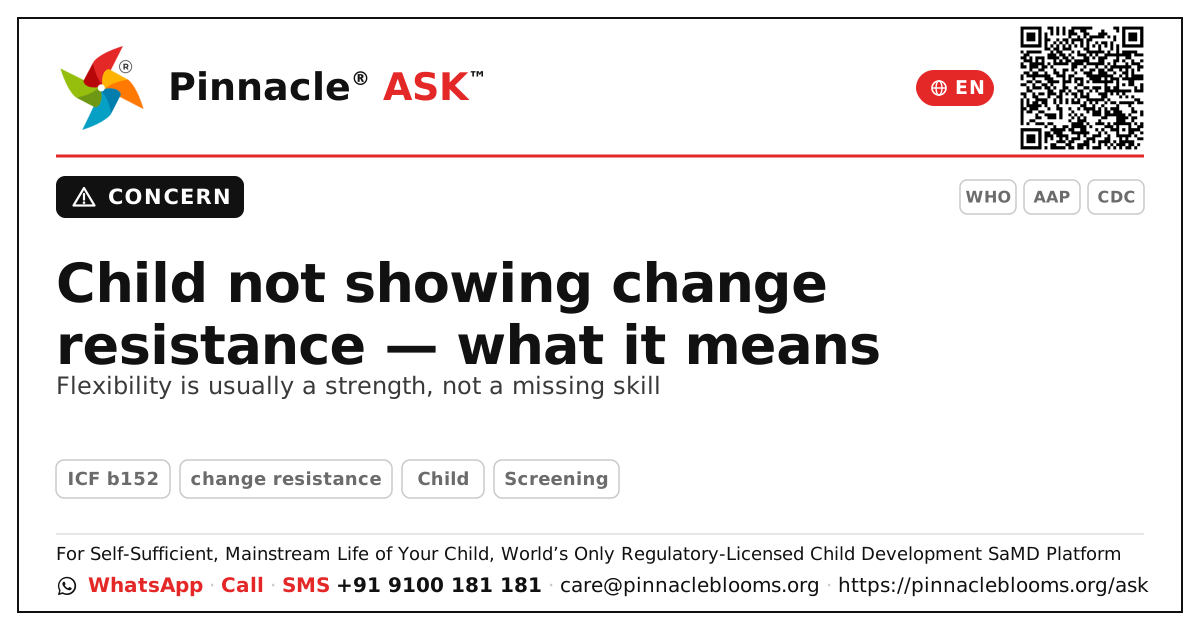
If your child happily rolls with surprises and switches, take a breath — flexibility is a lovely thing, not a missing skill.
In short
Not showing strong change resistance is usually a good sign, not a worry. Many children between 3 and 7 move easily between activities, cope with new routines and accept small surprises — this flexibility means their emotional regulation is developing well. "Change resistance" (ICF b152) is only a concern when it's intense and rigid, so its absence is often simply healthy adaptability. The thing worth a gentle look is whether your child is connecting, communicating and playing as expected — not whether they resist change.What this really means
Children vary enormously. Some need warning before transitions; others breeze through them. A child who adapts smoothly to a new mealtime, a different route home, or a change of plan is showing emotional flexibility — a strength we actively nurture in therapy.What matters far more than resistance is the broader picture. Gentle things to watch at 3–7 years:
- Connection — does your child share smiles, seek you out, enjoy back-and-forth play?
- Communication — are words, gestures and understanding growing month on month?
- Awareness — does your child notice and respond when routines shift, even if calmly?
- Easy adaptability vs. not noticing — flexibility is healthy; appearing not to register change at all is worth mentioning to a clinician.
The science
Flexibility and the ability to tolerate change are part of emotional self-regulation, which builds steadily across the early years. A relaxed response to change reflects a child who feels secure and can shift attention — exactly what we want. Rigidity becomes clinically interesting only when it causes distress or disrupts daily life.The Pinnacle way
This is general information, not a diagnosis — a clinical AbilityScore® and any diagnosis are formed only at a Pinnacle Blooms Network centre under qualified clinician care. Learn more about change resistance and how our behaviour therapy team supports flexible, confident children.Trusted sources
WHO ICF framework (b152, temperament and personality functions); American Academy of Pediatrics (healthychildren.org) on emotional development in early childhood; CDC developmental milestones for ages 3–7.Next step — Trust what you see day to day. If you'd like a calm overview of your child's strengths, book a developmental check with a Pinnacle clinician.
What to watch
At 3–7 years, easy adaptability to new routines, surprises and transitions is a strength. Mention it to a clinician if your child seems not to notice change at all, or if you also see few words, little shared play, limited eye contact or not responding to their name — these point to a broader developmental review, not change resistance itself.
Try this at home
Notice how your child handles small switches — a new route, a different cup, a changed plan. Calm adaptability is something to celebrate; jot down anything that feels unusual to share with a clinician.
Trusted sources
Developed by SETU Consortium · Pinnacle Blooms Network · Last reviewed 2026-06-10 · reviewed every 540 days
This is general information, not a diagnosis. A clinical AbilityScore® and any diagnosis are formed only at a Pinnacle Blooms Network centre, under qualified clinician care.
Frequently asked
Is it bad if my child doesn't resist change?
No — it's usually a good sign. Coping easily with new routines and surprises reflects healthy emotional flexibility, which we actively encourage in young children.
Should change resistance appear by a certain age?
There is no milestone for resisting change. Some children are naturally flexible while others need more warning before transitions; both can be perfectly typical.
When should I seek a developmental check?
Less about change resistance and more about the whole picture — if your child shows few words, limited shared play or eye contact, or doesn't seem to register change at all, a calm clinician review is wise.