
Sensory-Based Feeding Selectivity
Should I worry about Sensory-Based Feeding Selectivity?
A passing fussy phase is common and usually resolves. The real flag is a narrow, shrinking food list driven by texture, smell or look that affects nutrition or family life. Worry is a reason to check — not a diagnosis. Only a Pinnacle clinician can confirm it.
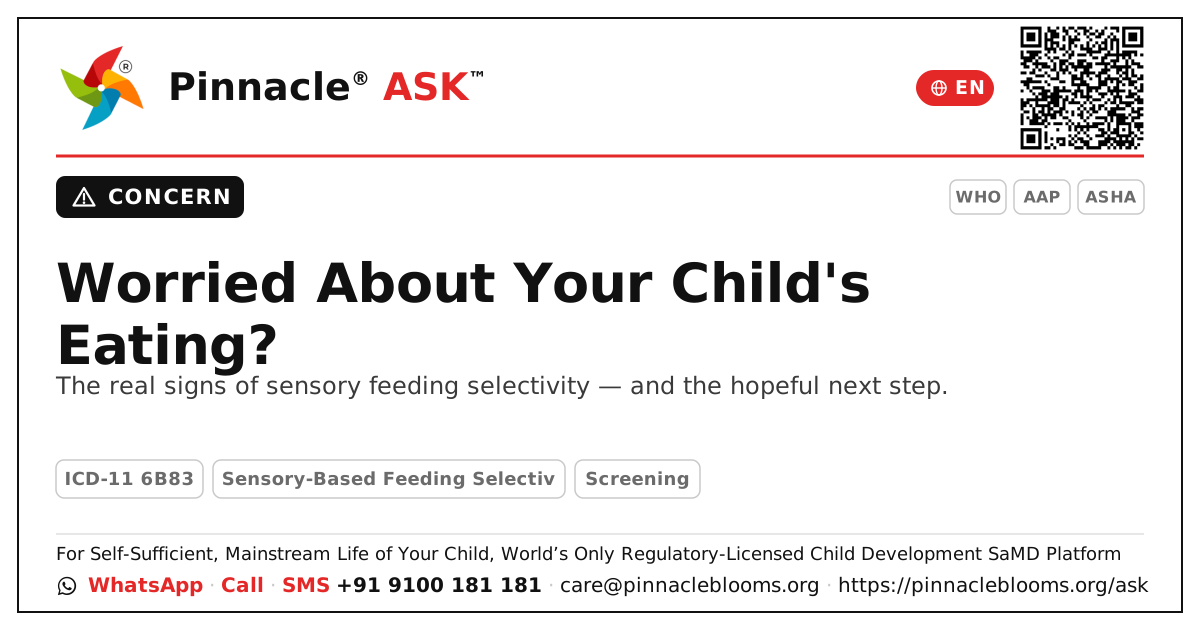
If mealtimes have become a battleground and your child eats only a handful of foods, the worry is real — and understandable. Here's what it may mean, and what to do with it.
In short
Sensory-Based Feeding Selectivity means a child consistently refuses many foods because of how they feel, look, smell or taste — not simply ordinary fussiness. Most toddlers go through a picky phase, and that usually passes. The flags worth attention are when the pattern persists and narrows:- Eating only a very small, fixed set of foods (often under 15–20)
- Strong distress, gagging or refusal around new textures, colours or smells
- Dropping foods over time without adding new ones
- Mealtimes that are stressful for the whole family most days
A passing fussy stage is common. A shrinking, rigid food list that affects nutrition or family life is the real reason to check. Worry is a reason to look — it is not, by itself, a diagnosis.
The science, briefly
Feeding selectivity sits within feeding and eating disorders in the WHO classification (ICD-11 6B83). Many children with strong sensory responses learn to widen their diet beautifully with the right, gentle, graded support — pressure-free exposure, never force. Identified early, eating patterns are far easier to broaden; left unaddressed, very narrow diets can affect growth, nutrition and confidence at the table.The Pinnacle way
A clinical AbilityScore® and any diagnosis are formed only at a Pinnacle Blooms Network centre, under qualified clinician care — never from an online form. Our feeding and occupational therapy team looks first for other causes, then measures your child against their own AbilityScore baseline, and gives you a calm, practical plan. With 4.95 lakh+ families served across 70+ centres, the aim is simple: happier mealtimes and a child who eats with confidence.Trusted sources
WHO ICD-11 (6B83); American Academy of Pediatrics guidance on feeding and picky eating; American Speech-Language-Hearing Association on paediatric feeding; Pinnacle Blooms Network clinical studies.Next step — The kindest thing to do with worry is check. Book a feeding assessment with a Pinnacle clinician.
This is general information, not a diagnosis — a clinical AbilityScore® and any diagnosis are formed only at a Pinnacle Blooms Network centre under qualified clinician care.
What to watch
Seek assessment sooner if your child loses foods they once ate, gags or vomits at new textures, eats fewer than around 15 foods, or shows poor weight gain or low energy.
Try this at home
Keep mealtimes pressure-free: offer one tiny portion of a new food beside a food your child already loves, with no pressure to eat it. Let them touch, smell or lick it — exploring is the first step to tasting.
Trusted sources
Developed by SETU Consortium · Pinnacle Blooms Network · Last reviewed 2026-06-10
This is general information, not a diagnosis. A clinical AbilityScore® and any diagnosis are formed only at a Pinnacle Blooms Network centre, under qualified clinician care.
Frequently asked
Is my child just a picky eater or is it something more?
Most toddlers go through a fussy phase that passes. The difference is pattern: ordinary fussiness still allows new foods over time, while sensory-based selectivity tends to narrow, with strong distress around textures, smells or looks. A persistent, shrinking food list is worth a clinical check.
Will my child grow out of it on their own?
Many children do widen their diet, especially with gentle, pressure-free support at home. But a very narrow or shrinking food list that affects nutrition, growth or family life is easier to address early. A clinician can tell whether to watch and monitor or begin support.
Should I force my child to try new foods?
No — forcing or pressuring usually increases anxiety and refusal. Calm, repeated, no-pressure exposure works far better. A feeding therapist can show you graded steps that help your child explore and accept new textures at their own pace.