
Cup
My toddler can't drink from an open cup yet — is that a concern?
A 12-to-18-month-old who cannot yet drink from an open cup is almost always perfectly typical — many toddlers are still learning this skill, and spills are part of the process. It is a skill that grows with practice, not a red flag on its own. A gentle check is wise only if drinking comes with frequent coughing or choking on thin liquids, refusal of most textures, or delays in talking and connecting. This is reassurance, not diagnosis — early support works best when it's needed.
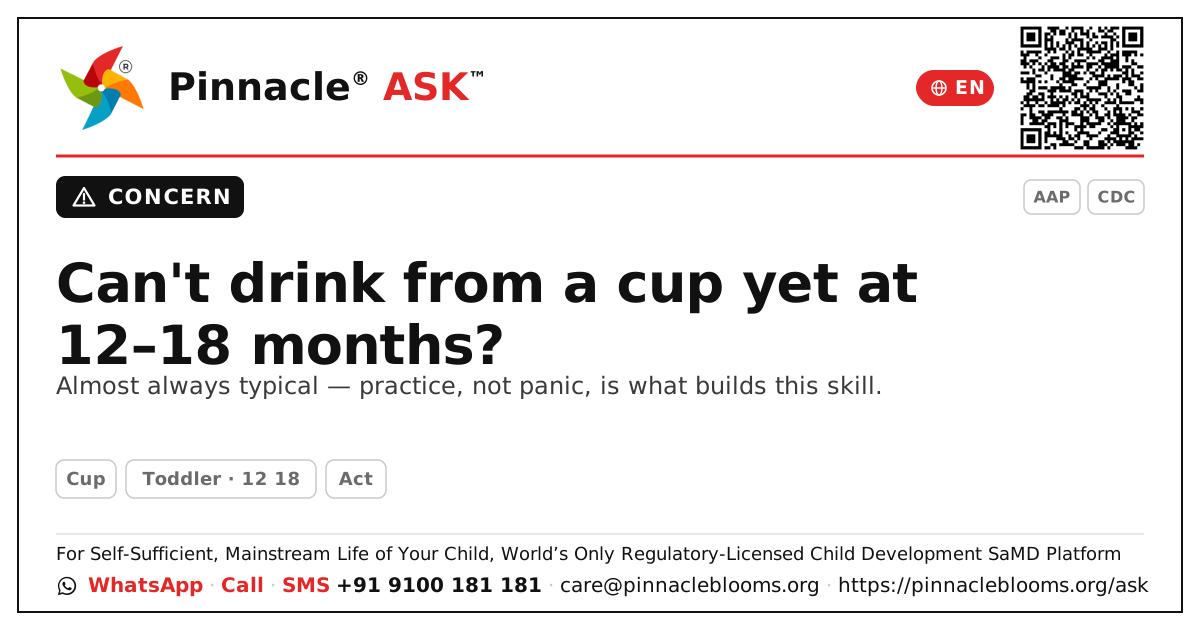
Learning to sip from an open cup is a messy, wonderful milestone — and the timeline is wider than most parents expect.
In short
A 12-to-18-month-old who cannot yet manage an open cup is almost always perfectly typical. Many toddlers are still mastering open-cup drinking well into their second year, and spills, dribbles and refusals are part of normal learning. This is a skill that grows with practice, not a developmental red flag on its own — there is no reason to worry at this stage.What's typical at 12–18 months
Open-cup drinking is a complex skill that blends mouth coordination, hand control and confidence. Most children are beginning to sip from an open cup (held by an adult, with plenty of spills) somewhere in this window, and become tidier and more independent over the following months. What helps:- Offer a small open cup with a little water at mealtimes — let them try, expect mess, and keep it relaxed.
- Try a free-flow (no-valve) cup as a helpful in-between step; these encourage the same sip-and-swallow action without a hard spout.
- Model it — let your child watch you sip, then offer them a turn.
- Keep it playful — practice, not pressure, builds the skill.
When a gentle check is wise
The cup itself is rarely the concern — what matters is the whole picture. Consider a developmental review if your toddler also: coughs, chokes or gags a lot with thirsty or thin liquids; cannot move food around the mouth or refuses most textures; or shows delays alongside this — few words, little response to their name, or not using hands to explore and feed. Persistent feeding or swallowing difficulty deserves a clinician's eye, not because of the cup, but to support safe, comfortable eating and drinking.The Pinnacle way
A clinical AbilityScore® and any diagnosis are formed only at a Pinnacle Blooms Network centre, under qualified clinician care — never from an online checklist. If feeding feels effortful or worrying, our occupational therapy team supports oral-motor and self-feeding skills, and you can explore more about how we nurture everyday independence across our network. [Learn more about Pinnacle](/).Trusted sources
American Academy of Pediatrics guidance (healthychildren.org) on introducing open cups and weaning from bottles in the second year; CDC developmental milestones and "Learn the Signs, Act Early" feeding and self-care expectations for toddlers.Next step — Keep offering the cup at mealtimes with a relaxed smile. If feeding or swallowing worries you, book a developmental assessment with a Pinnacle clinician for calm, clear reassurance.
This is general information, not a diagnosis — a clinical AbilityScore® and any diagnosis are formed only at a Pinnacle Blooms Network centre under qualified clinician care.
What to watch
Open-cup drinking is still being learned at this age, so spills and refusals are typical. Seek a gentle developmental check only if your toddler frequently coughs, chokes or gags on thin liquids, cannot move food around the mouth or refuses most textures, or shows this alongside few words, little response to their name, or not using hands to explore and feed.
Try this at home
Offer a small open cup with a little water at mealtimes and simply let your toddler try — expect mess, model your own sipping, and keep it light and playful. A free-flow (no-valve) cup is a great in-between step that builds the same sip-and-swallow action.
Trusted sources
Developed by SETU Consortium · Pinnacle Blooms Network · Last reviewed 2026-06-10 · reviewed every 365 days
This is general information, not a diagnosis. A clinical AbilityScore® and any diagnosis are formed only at a Pinnacle Blooms Network centre, under qualified clinician care.
Frequently asked
At what age should my child drink from an open cup?
Most children begin sipping from an open cup (held by an adult, with lots of spills) somewhere between 12 and 18 months, and become tidier and more independent over the following months. There's a wide normal range — practice matters more than a fixed date.
Should I worry if my 15-month-old still uses a bottle or spouted cup?
No — this is very common and not a concern on its own. You can gently introduce a small open or free-flow cup at mealtimes to encourage the next step, while keeping the process relaxed and free of pressure.
When should I see a clinician about cup drinking?
Consider a gentle developmental check if your toddler frequently coughs, chokes or gags on thin liquids, cannot manage textures or refuses most foods, or shows delays in talking and connecting. The aim is to support safe, comfortable eating and drinking — not to diagnose.