
attention and inhibition
Is it normal that my toddler isn't showing attention and inhibition yet?
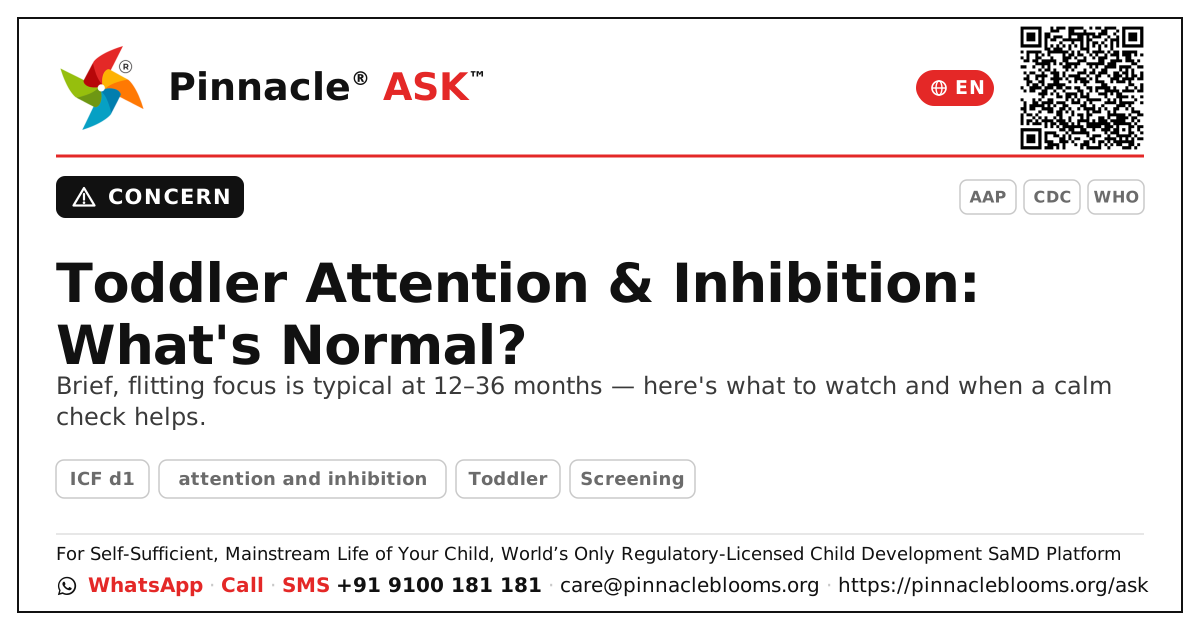
Brief, flitting attention is completely normal in toddlers aged 12–36 months — focus and self-control are only just beginning to build and grow slowly through the preschool years. Seek a developmental check if short attention comes alongside few or no words, no response to name, little eye contact, or trouble connecting and playing — not because attention itself is short. This is gentle monitoring, never a diagnosis, and early support works best.
Watching your toddler dart from toy to toy and wondering when they'll settle and focus is a thoughtful, loving question to ask.
In short
For a toddler between 12 and 36 months, brief and flitting attention is completely typical — focus and self-control (inhibition) are only just beginning to build, and they grow gradually right through the preschool years. At this age children are meant to be busy, impulsive and easily distracted. A developmental check is wise only if you also notice very limited eye contact, few or no words, no response to their name, or your child seeming unable to connect or play — not because attention itself is short. This is reassurance and gentle monitoring, never a diagnosis.The science of early attention
Attention and inhibition (ICF d1, mental functions) are among the slowest-maturing skills in childhood, governed by the developing prefrontal brain. A typical 1-year-old may focus for under a minute; a 2-year-old for a couple of minutes during a favourite activity; a 3-year-old a little longer, and still flits often. "Inhibition" — pausing, waiting, stopping a grabbing hand — barely exists in early toddlerhood and emerges slowly. Conditions like ADHD are not meaningfully identified at this age, so the right stance is calm watching and rich everyday play, not labels.What to watch at 12–36 months
These are reasons to seek a developmental check — gently, not anxiously:- Communication — few or no words by 18–24 months, not responding to their name, not pointing or sharing interest.
- Connection — little eye contact, shared smiling or interest in people, or seeming "in their own world".
- Play — not exploring toys, or losing a skill once had.
- Settling — never able to engage even briefly in a shared, soothing activity with you.
Short attention alone is reassuring; it's these patterns together that deserve a clinician's calm look.
The Pinnacle way
A clinical AbilityScore® and any diagnosis are formed only at a Pinnacle Blooms Network centre, under qualified clinician care — never from an online list. Our clinicians watch how your child engages and plays, building support around strengths. Read more about attention and inhibition, and how our occupational therapy team nurtures focus through play.Trusted sources
WHO ICF framework (mental functions, d1); American Academy of Pediatrics (healthychildren.org) guidance on toddler attention and developmental monitoring; CDC developmental milestones and "Learn the Signs, Act Early".Next step — Trust what you notice every day. Book a developmental assessment for a calm, clear review of your toddler's attention and milestones.
This is general information, not a diagnosis — a clinical AbilityScore® and any diagnosis are formed only at a Pinnacle Blooms Network centre under qualified clinician care.
What to watch
Short attention alone is reassuring. Seek a developmental check if it comes with few or no words by 18–24 months, no response to name, little eye contact or shared smiling, not pointing, not exploring toys, loss of a skill once had, or never engaging even briefly in shared play.
Try this at home
Build focus through play your toddler loves — sit face to face for a quick bubble-pop, peekaboo or stacking game, follow their interest, and celebrate even a few seconds of shared attention. Short, joyful turns matter far more than long ones.
Trusted sources
Developed by SETU Consortium · Pinnacle Blooms Network · Last reviewed 2026-06-10 · reviewed every 540 days
This is general information, not a diagnosis. A clinical AbilityScore® and any diagnosis are formed only at a Pinnacle Blooms Network centre, under qualified clinician care.
Frequently asked
How long should a toddler be able to focus?
Very briefly — a 1-year-old often focuses under a minute, a 2-year-old a couple of minutes on a favourite activity, and a 3-year-old a little longer while still flitting often. Short attention is normal and grows slowly through the preschool years.
When does self-control (inhibition) develop in toddlers?
Inhibition — pausing, waiting, stopping a grabbing hand — barely exists in early toddlerhood and emerges gradually. Most children develop it slowly across the preschool years as the brain matures, so impulsiveness at this age is expected, not a worry.
Could short attention mean my toddler has ADHD?
ADHD is not meaningfully identified in toddlers, because brief and flitting attention is typical at this age. The right approach is calm watching and rich everyday play. If you have other concerns, a developmental check offers reassurance and guidance.
When should I seek a check?
Seek a gentle developmental check if short attention comes with few or no words by 18–24 months, no response to name, little eye contact, not pointing, or trouble connecting and playing — not because of short attention alone.