
non verbal
Is It Normal That My Toddler Is Still Non-Verbal?
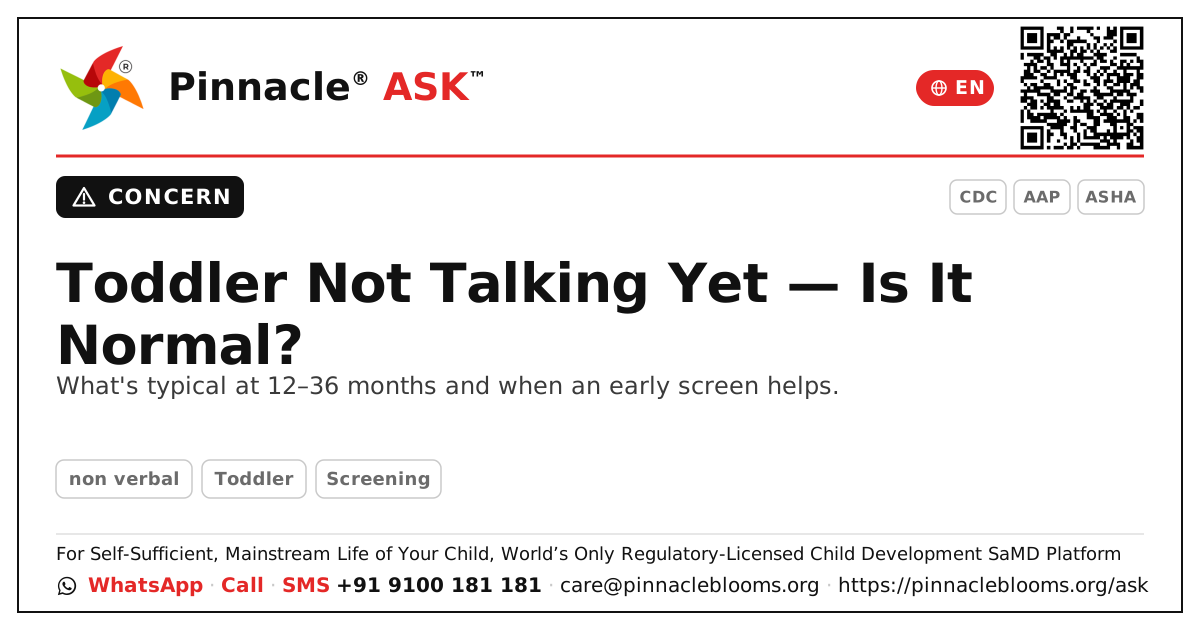
Whether it's normal for a toddler to be non-verbal depends on age and on how else they communicate. Many late talkers thrive, especially if they point, gesture, understand and connect. Seek an early screen if there's no babble or gestures, no words by 18 months, no two-word phrases by 24 months, or loss of skills — this means early support, not a diagnosis.
The phrasing tangled a little — but the worry underneath it, about whether your toddler is talking on time, is one we hear with love every day.
In short
It sounds like you're asking whether it's normal that your toddler is still non-verbal — not yet using words. The honest answer is: it depends on age, and on what your child is doing to communicate. Many toddlers are late to first words yet thriving; what matters most is whether they are connecting, gesturing and understanding. This is a reason to observe gently and screen early — never a diagnosis.What to watch at 12–36 months
Words are only one part of communication. Look at the whole picture:- By 12–15 months — babbling with lots of sounds, pointing, waving, responding to their name, sharing eye contact and smiles.
- By 18 months — a handful of words (even unclear ones), following simple instructions, showing you things they find interesting.
- By 24 months — around 50 words and beginning to join two together ("more milk"), understanding far more than they say.
Gentle flags that deserve a clinician's eye: no babble or gestures, not responding to name, little eye contact or shared attention, no words by 18 months, no two-word phrases by 24 months, or losing words once used. A child who points, gestures, understands and engages — but is simply quiet on words — often just needs time and rich talk. The aim is calm early observation, not alarm.
The science
Understanding (receptive language) and gesturing usually come before spoken words. Tools like the MacArthur–Bates inventories track both, because strong comprehension and pointing are reassuring even when speech is delayed. Early support works beautifully at this age — the toddler brain is wonderfully responsive.The Pinnacle way
A clinical AbilityScore® and any diagnosis are formed only at a Pinnacle Blooms Network centre, under qualified clinician care — never from an online list. Learn more about non-verbal communication and how our speech therapy team builds words through play and connection.Trusted sources
CDC "Learn the Signs, Act Early" milestones; American Academy of Pediatrics (healthychildren.org) guidance on early language; ASHA resources on toddler communication development.Next step — Trust what you notice each day. Book a developmental screen for a calm, clear look at your toddler's communication.
This is general information, not a diagnosis — a clinical AbilityScore® and any diagnosis are formed only at a Pinnacle Blooms Network centre under qualified clinician care.
What to watch
Seek an early screen if there is no babble or gestures by 12–15 months, no words by 18 months, no two-word phrases by 24 months, little eye contact or response to name, or loss of words once used. A child who points, gestures and understands but is quiet on words often just needs time and rich talk.
Try this at home
Narrate your day in short, simple phrases and pause to give your toddler a turn — even a gesture or sound counts as a reply. Naming what they point to turns everyday moments into language practice.
Trusted sources
Developed by SETU Consortium · Pinnacle Blooms Network · Last reviewed 2026-06-10 · reviewed every 540 days
This is general information, not a diagnosis. A clinical AbilityScore® and any diagnosis are formed only at a Pinnacle Blooms Network centre, under qualified clinician care.
Frequently asked
My toddler points and understands but doesn't talk — is that okay?
Strong understanding and gesturing are very reassuring signs. Many late talkers with good comprehension and connection catch up, especially with rich, responsive talk. A gentle screen can confirm all is on track.
At what age should I seek help for a non-verbal toddler?
Consider an early screen if there are no words by 18 months, no two-word phrases by 24 months, or no babble and gestures, little eye contact, or loss of skills at any age. Earlier support works best.
Will my quiet toddler definitely need therapy?
Not necessarily. A clinician's screen simply gives a clear picture — some children just need time and more language-rich play, while others benefit from gentle, early speech support.