
task completion
Is it normal that my child is not yet showing task completion?
Between 3 and 7 years, the brain skills behind finishing a task are still developing, so a child who drifts from longer activities is usually doing exactly what their age expects. Seek a developmental check if difficulty completing age-appropriate tasks is persistent, clearly greater than peers, and appears both at home and at school — alongside trouble listening or following simple steps. This is screening to open early support, not a diagnosis.
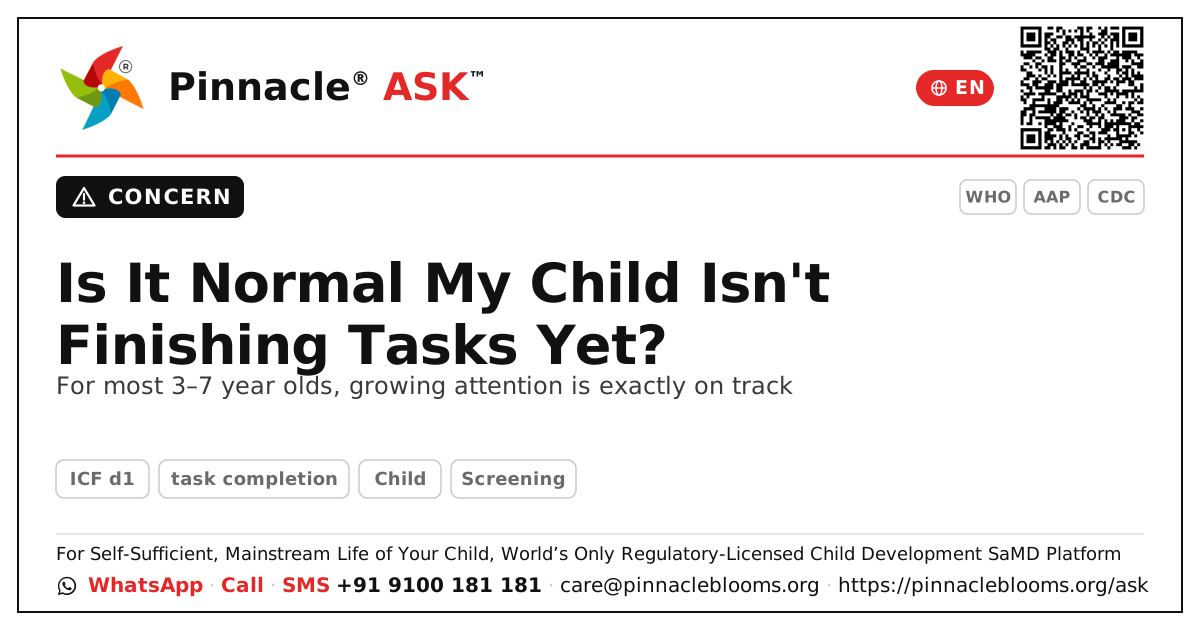
When a little one wanders off mid-puzzle or leaves the blocks half-built, it can feel worrying — but for most children this is exactly how attention grows.
In short
Yes, this is very often completely normal. Between 3 and 7 years, children are still building the brain skills that let them stick with and finish a task — and these mature gradually, not all at once. A three-year-old who flits between activities is usually doing just what their age expects. The time for a gentle developmental check is when difficulty finishing tasks is persistent, much greater than other children the same age, and shows up both at home and at school — alongside trouble listening, sitting or following simple steps.What to watch at 3–7 years
Most young children finish short, motivating tasks but drift from longer or less interesting ones — that's typical. Gentle flags worth a clinician's eye include:- Across settings — struggles to complete age-appropriate tasks both at home and in playschool or class, not just one place.
- Out of step with peers — far more restless, distracted or unable to follow 2–3 step instructions than other children the same age.
- Not improving — little growth in focus over many months despite calm routines and encouragement.
- Travelling with other differences — frequent frustration, not finishing even favourite activities, or delays in talking or play.
Remember: a younger child needs shorter tasks. Break things into tiny steps, celebrate each finish, and attention grows with practice.
When to seek a check
If the difficulty is persistent, clearly beyond peers, and present across home and school, arrange a developmental screen now rather than waiting — early support works beautifully at this age. This is screening, not a label.The Pinnacle way
A clinical AbilityScore® and any diagnosis are formed only at a Pinnacle Blooms Network centre, under qualified clinician care — never from an online list. Our clinicians watch how your child engages, where attention dips, and build playful steps around strengths. Learn more about task completion and how our special education team nurtures focus and follow-through.Trusted sources
WHO ICF framework for general tasks and demands (d1); American Academy of Pediatrics (healthychildren.org) guidance on attention and developmental monitoring; CDC "Learn the Signs, Act Early" milestones.Next step — Trust what you notice each day. Book a developmental screen with a Pinnacle clinician for a calm, clear review.
This is general information, not a diagnosis — a clinical AbilityScore® and any diagnosis are formed only at a Pinnacle Blooms Network centre under qualified clinician care.
What to watch
Seek a developmental screen if difficulty finishing age-appropriate tasks is persistent, much greater than peers, and shows up both at home and at school — alongside trouble following 2–3 step instructions, frequent restlessness or distraction, not finishing even favourite activities, or little improvement over many months despite calm routines.
Try this at home
Break tasks into tiny steps and celebrate each finish — 'first the red block, then the blue one'. Short, motivating tasks build the focus that longer ones need later.
Trusted sources
Developed by SETU Consortium · Pinnacle Blooms Network · Last reviewed 2026-06-10 · reviewed every 540 days
This is general information, not a diagnosis. A clinical AbilityScore® and any diagnosis are formed only at a Pinnacle Blooms Network centre, under qualified clinician care.
Frequently asked
At what age should my child be able to finish a task?
It grows gradually between 3 and 7 years. Young children finish short, motivating tasks first; sticking with longer or less interesting ones develops with age and practice. There is no single switch-on age.
When should I worry about my child not completing tasks?
Consider a developmental screen if the difficulty is persistent, clearly greater than other children the same age, and present both at home and at school — especially with trouble following simple instructions. This is screening, not a diagnosis.
How can I help my child finish activities at home?
Break tasks into tiny steps, keep them short and motivating, reduce distractions, and warmly celebrate each finished step. Attention and follow-through strengthen with gentle, consistent practice.