
social interaction
Is It Normal My Child Cannot Socially Interact Yet?
Between 3 and 7 years, children develop social skills at very different paces — warming up slowly or preferring one friend is usually typical. Seek a developmental check if your child shows little interest in other children, rarely shares attention or pretend play, struggles with turn-taking, or finds back-and-forth conversation consistently hard, especially with language delays. This is a reason to screen early, not a diagnosis — early support works best.
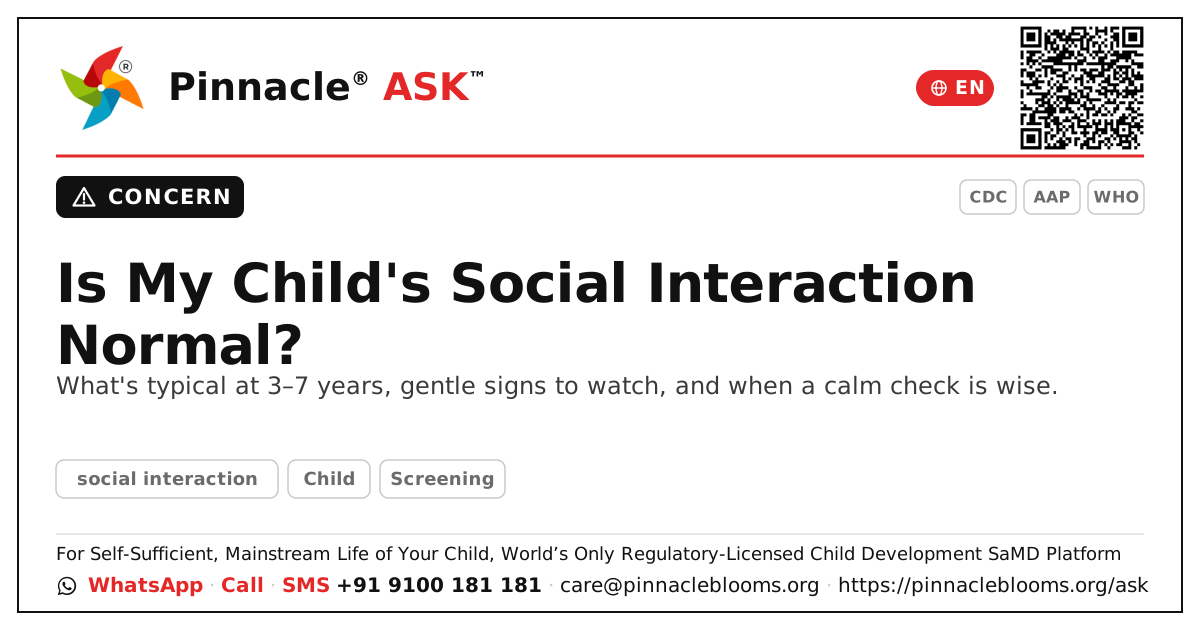
Every child finds their own rhythm with people — noticing how your little one connects, and asking a gentle question now, is loving, attentive parenting.
In short
Between 3 and 7 years, children grow social skills at very different paces — some warm up slowly, prefer one friend at a time, or watch before they join in, and this is usually completely typical. It becomes worth a calm developmental check when your child shows little interest in other children, rarely shares attention or pretend play, struggles to take turns, or finds eye contact and back-and-forth conversation consistently hard — especially alongside language delays. This is not a diagnosis; it simply means an early, friendly look is wise, because support works beautifully at this age.What to watch at 3–7 years
Social play blossoms in stages — from playing alongside others (parallel play) towards shared, cooperative, imaginative play. Gentle flags that deserve a clinician's eye include:- Little interest in peers — consistently preferring to play alone and not seeking out other children over many months.
- Limited shared attention — rarely pointing to show you things, bringing you toys to share, or looking to check your reaction.
- Difficulty with give-and-take — trouble taking turns, joining pretend play, or following the rhythm of a simple game.
- Conversation that doesn't flow — few words for their age, not responding to their name, or one-sided back-and-forth.
- Loss of a skill — social warmth or words your child once had now fading.
The aim is never alarm — it's turning small everyday questions into early opportunities.
When to act
If these signs travel together, persist over months, or come with delays in talking, arrange a developmental check now rather than waiting. What you notice each day is valuable clinical information — trust your instinct.The Pinnacle way
A clinical AbilityScore® and any diagnosis are formed only at a Pinnacle Blooms Network centre, under qualified clinician care — never from an online list. Our clinicians watch how your child connects through play and build support around their strengths. Read more about social interaction and how our warm, structured behaviour therapy team nurtures connection, turn-taking and friendships.Trusted sources
CDC developmental milestones and "Learn the Signs, Act Early" guidance on social and play development; American Academy of Pediatrics (healthychildren.org) resources on social-emotional growth in early childhood; WHO Nurturing Care framework for responsive caregiving.Next step — Trust what you've noticed. Book a developmental screening with a Pinnacle clinician for a calm, clear picture of your child's social growth.
What to watch
Seek a check if your child shows little interest in other children over months, rarely shares attention or pretend play, struggles to take turns, has one-sided conversations, doesn't respond to their name, or has lost social warmth or words once had — especially alongside language delays.
Try this at home
Keep a short note of how your child plays with others — alongside them, briefly together, or sharing make-believe? Noting whether they look to you to share a moment gives a clinician a clear, useful picture.
Trusted sources
Developed by SETU Consortium · Pinnacle Blooms Network · Last reviewed 2026-06-10 · reviewed every 540 days
This is general information, not a diagnosis. A clinical AbilityScore® and any diagnosis are formed only at a Pinnacle Blooms Network centre, under qualified clinician care.
Frequently asked
At what age should my child play with other children?
Between 3 and 5 years, children gradually move from playing alongside others (parallel play) to sharing cooperative, imaginative play. Some warm up slowly or prefer one friend — this is usually typical. If your child shows little interest in peers over many months, or struggles with turn-taking and shared pretend play, a gentle developmental check is wise.
Is shyness the same as a social difficulty?
No. Many children are simply shy and warm up in their own time, yet still seek connection and share attention once comfortable. A social difficulty is more consistent — little interest in others, limited shared attention, or trouble with back-and-forth interaction across many settings. A clinician can tell the two apart with a calm observation.
Will my child grow out of it?
Many children naturally bloom into richer social play as language and confidence grow. The reason to seek an early check when signs persist is not alarm — it is opportunity. Support at this age works beautifully, and a clinician can guide whether watchful monitoring or gentle support is the right next step.